#budowa #budujezlurkiem #dom #glazurnictwo #diy #pomyslnadom #chwalesieAle ten czas leci. Ostatnią aktualizację z budowy robiłem 12mies. temu. Wydaje się jak wczoraj.
Zmieniło się bardzo dużo. Doszły gładzie na ścianach, panele podłogowe w 2 pokojach, kafelki w łazience i WC. Dziś jednak nie o tym.
Ale zacznę od zjebki ERKADO (tych od drzwi). Tak się złożyło, że mniej więcej w tym okresie
zeszłego roku, zamówiłem drzwi do pomieszczeń sztuk 6. Te dotarły ładnie zapakowane + oddzielnie ościeża.
Jako, że budowa jeszcze była w toku, wszędzie syf, kiła i unoszący się w powietrzu pył gipsowy, te zapakowane tak jak przyszły z fabryki, stały sobie bezpiecznie oparte o ścianę.
Do montażu przystąpiłem w ostatnich miesiącach (czyli po prawie roku) od zakupu. Drzwi ofoliowane, od spodu przybita zszywkami listwa osłaniająca, na wszystkich rogach zabezpieczenia tekturowe.
Jakie było moje zdziwienie gdy w jednych drzwiach pod tekturą znalazłem 5cm odrapaną rysę, głęboka ,że do tej płyty mdf (czy co to jest) doszło. Chcąc nie chcąc, zawiadomiłem sklep z drzwiami o sytuacji i zrobiłem reklamację. Wina była tu po stronie ERKADO skoro przysłali zafoliowane uszkodzone drzwi (koszt skrzydła to koło 7 stów). Niestety ERKADO się na mnie wypięło, twierdząc, że za dużo czasu upłynęło i udają, że nie ponoszą odpowiedzialności. Odmówili wymiany drzwi na nowe (zwrot pieniędzy nawet mnie nie interesował).
Szczęśliwie z pomocą przyszli fachowcy z "Salon drzwi i podłóg 3D", za drobną opłatą, zabrali uszkodzone skrzydło, wypełnili żywicą o odpowiednim kolorze i wyszlifowali uszkodzenie. Niestety taka naprawa nigdy nie jest idealna i delikatnie widać gdzie coś się zadziało. Ale na pierwszy rzut oka teraz już nic nie szpeci i drzwi są już zamontowane.
------------------------------------------------------
Ale co ja odwalałem w ostatnim czasie? Się zapytacie.
Kończyłem garaż i kotłownię.

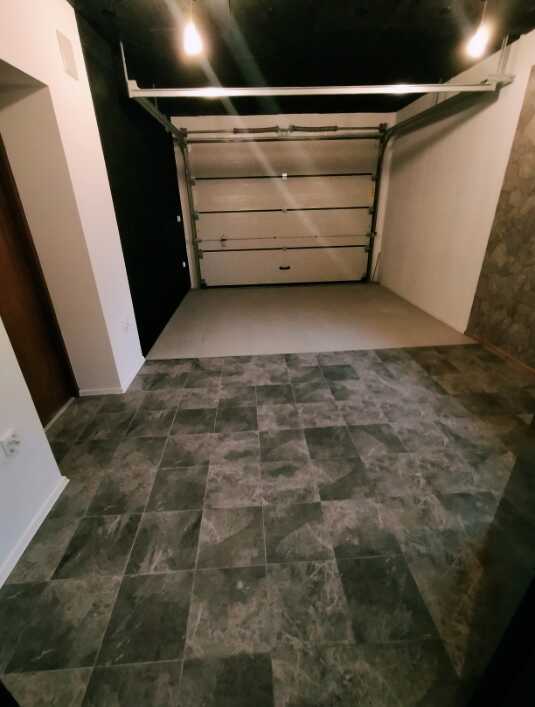
Między garażem a holem, zamontowałem drwi wejściowe (te były z kolei z Mrówki), ułożyłem wszędzie płytki.
Plany budowy przewidywały ocieplenie na ścianie garażowej i kotłowni od strony pomieszczeń mieszkalnych. Te zrobiłem wełną… ale jak.
Podostawało mi jeszcze kilka płyt GK. Z nich zrobiłem przedściankę na około drzwi, ukrywając wełnę. Potem nie chciało mi się dokupywać płyt, ani szlifować więcej gładzi.
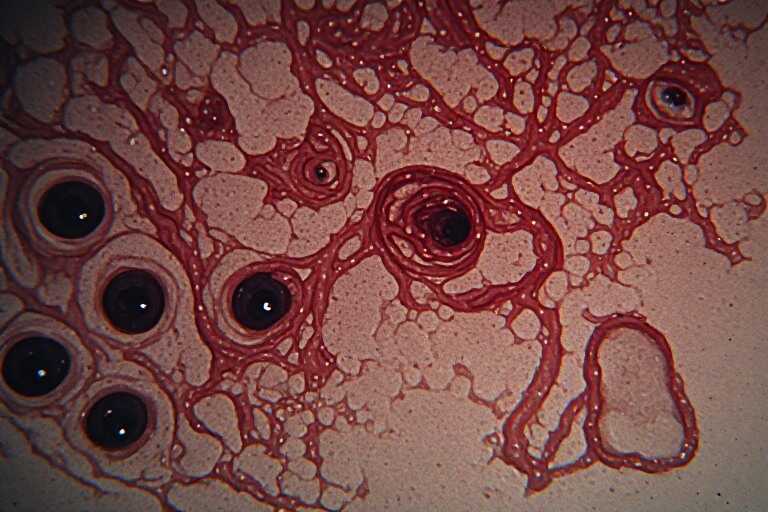
Resztę ściany i sufitu zrobiłem z wełny tapicerowanej.

Zanim wyjaśnię co to takiego – pokaz slajdów.
Kotłownia przed:
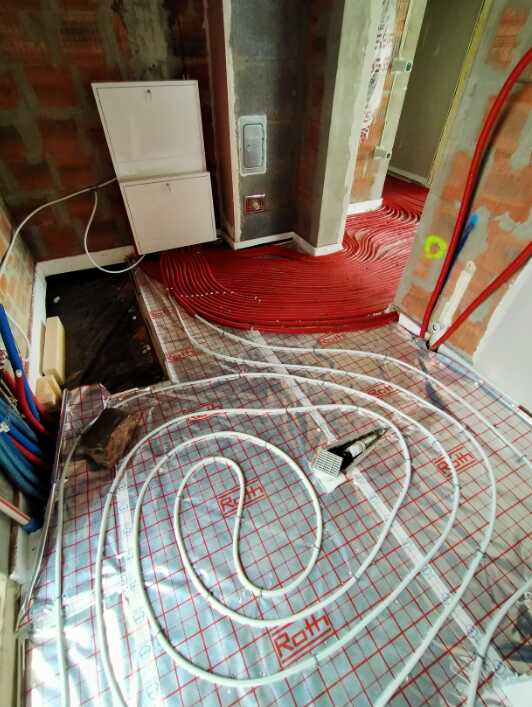
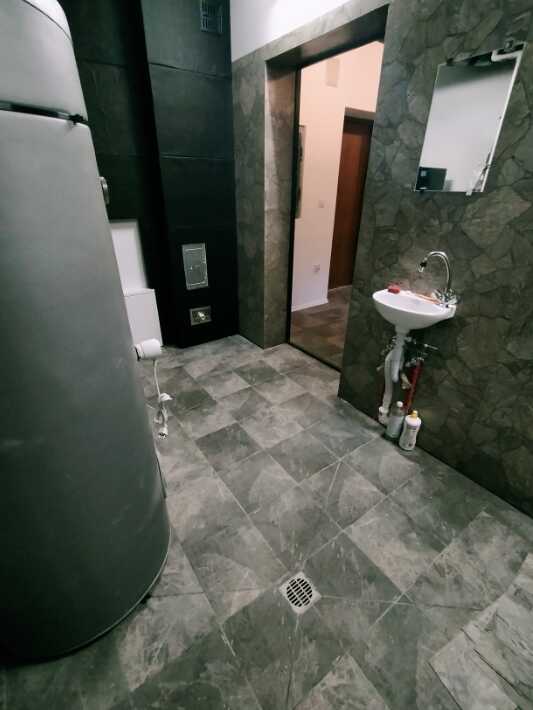
Kotłownia po:
Garaż przed:
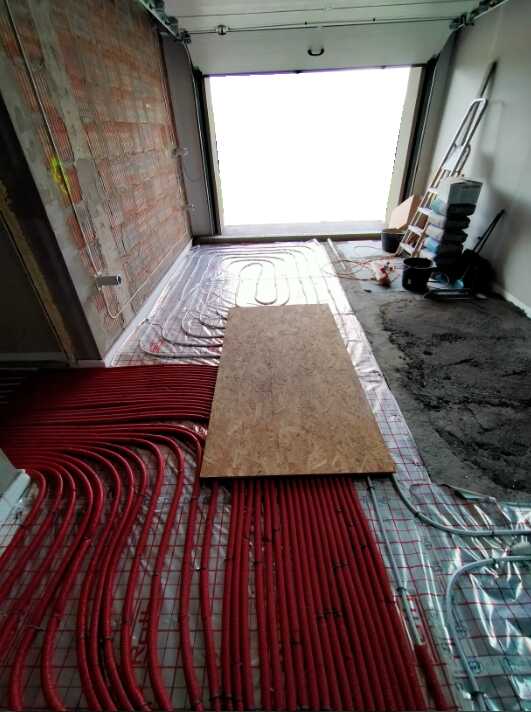
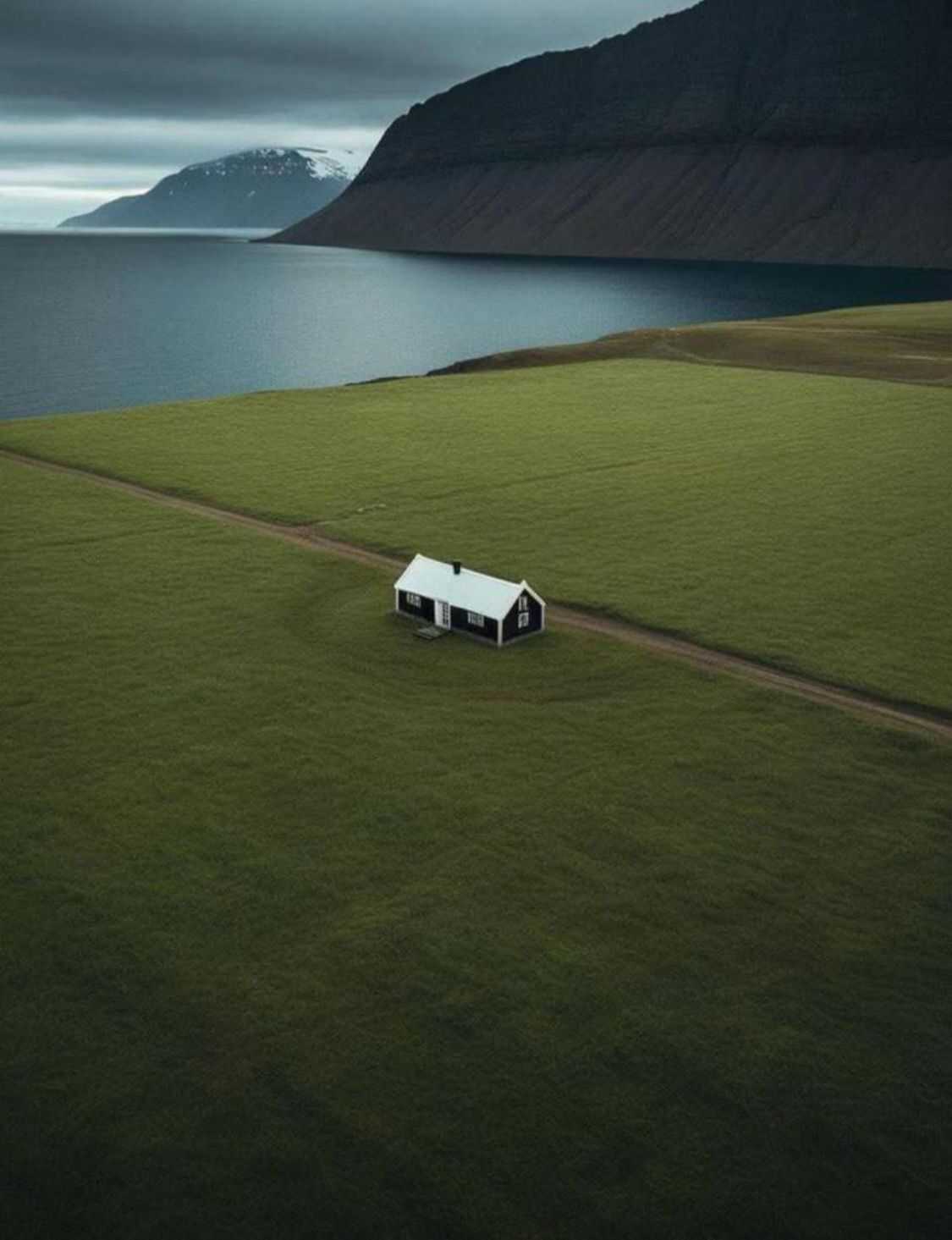
Garaż po:
Przy okazji uznałem, że garaż jest u nie dobrym miejscem na pralnię. Zrobiłem więc tak:
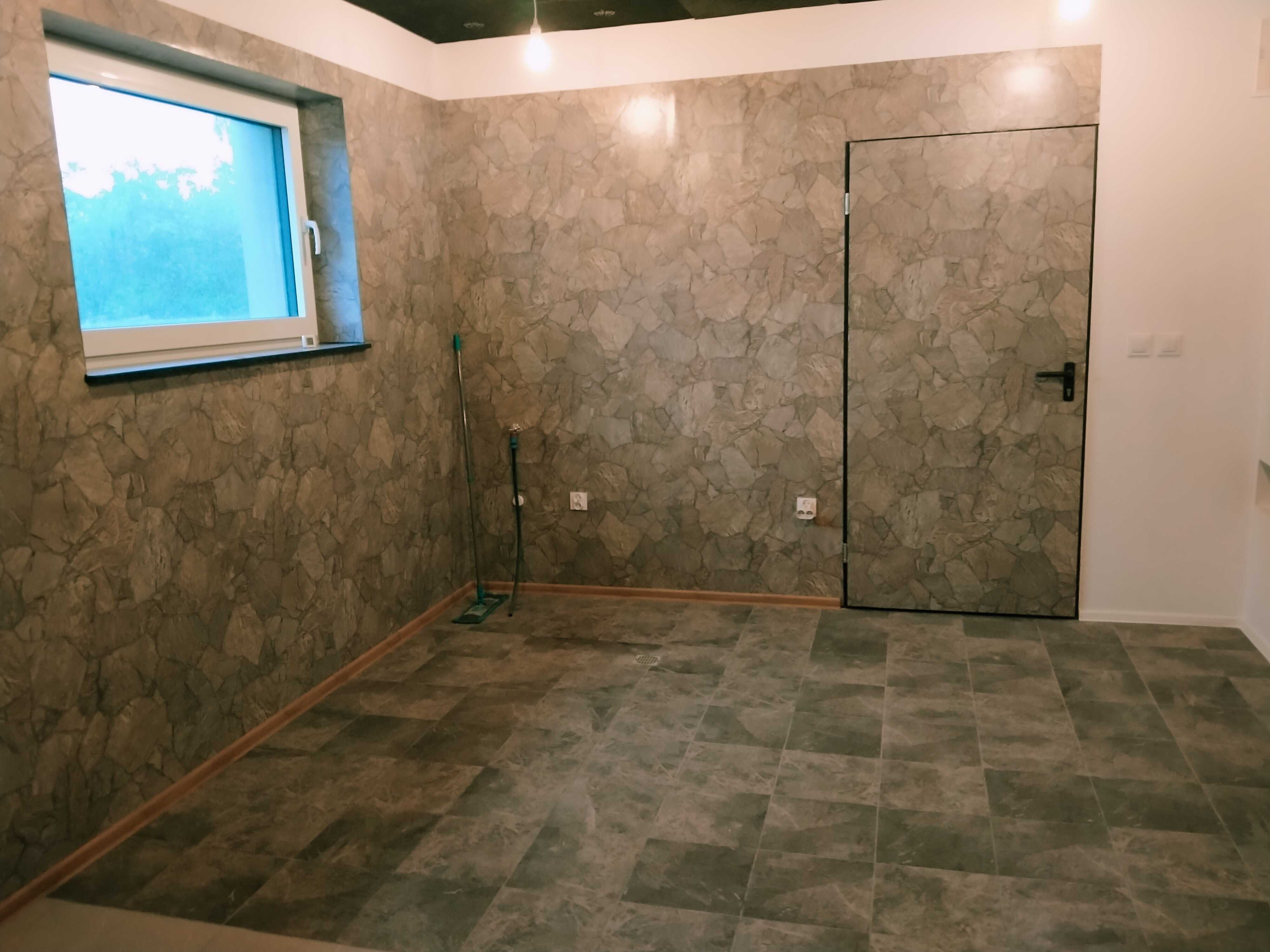
To na ścianie to nie tapeta. To wykładzina, klejona na butapren.

Linoleum samo w sobie jest wodoodporne, ale też jest tańsze niż kafelki. Przyznaję to miało być rozwiązanie budżetowe.
Tak samo jak ta ściana:
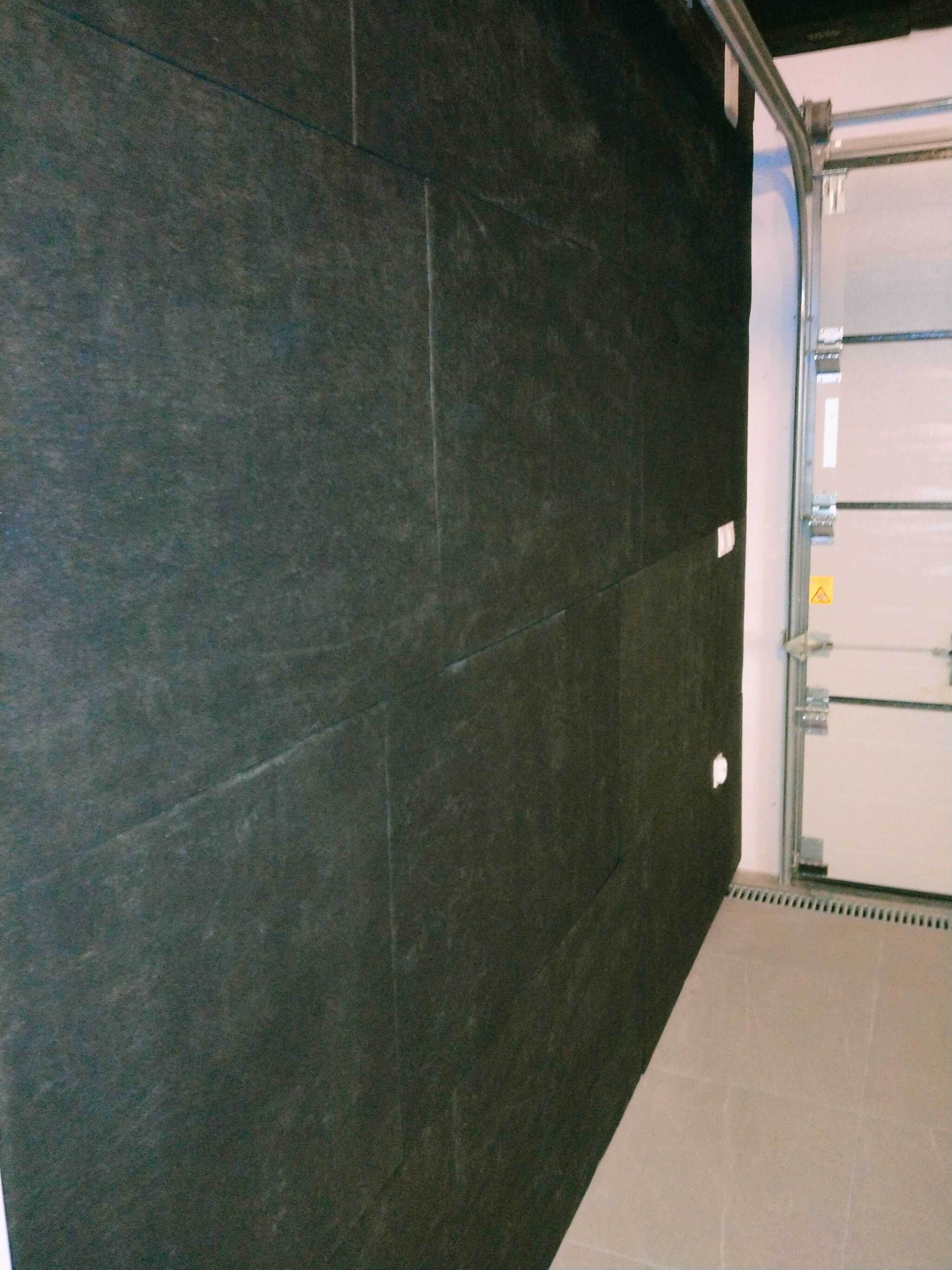
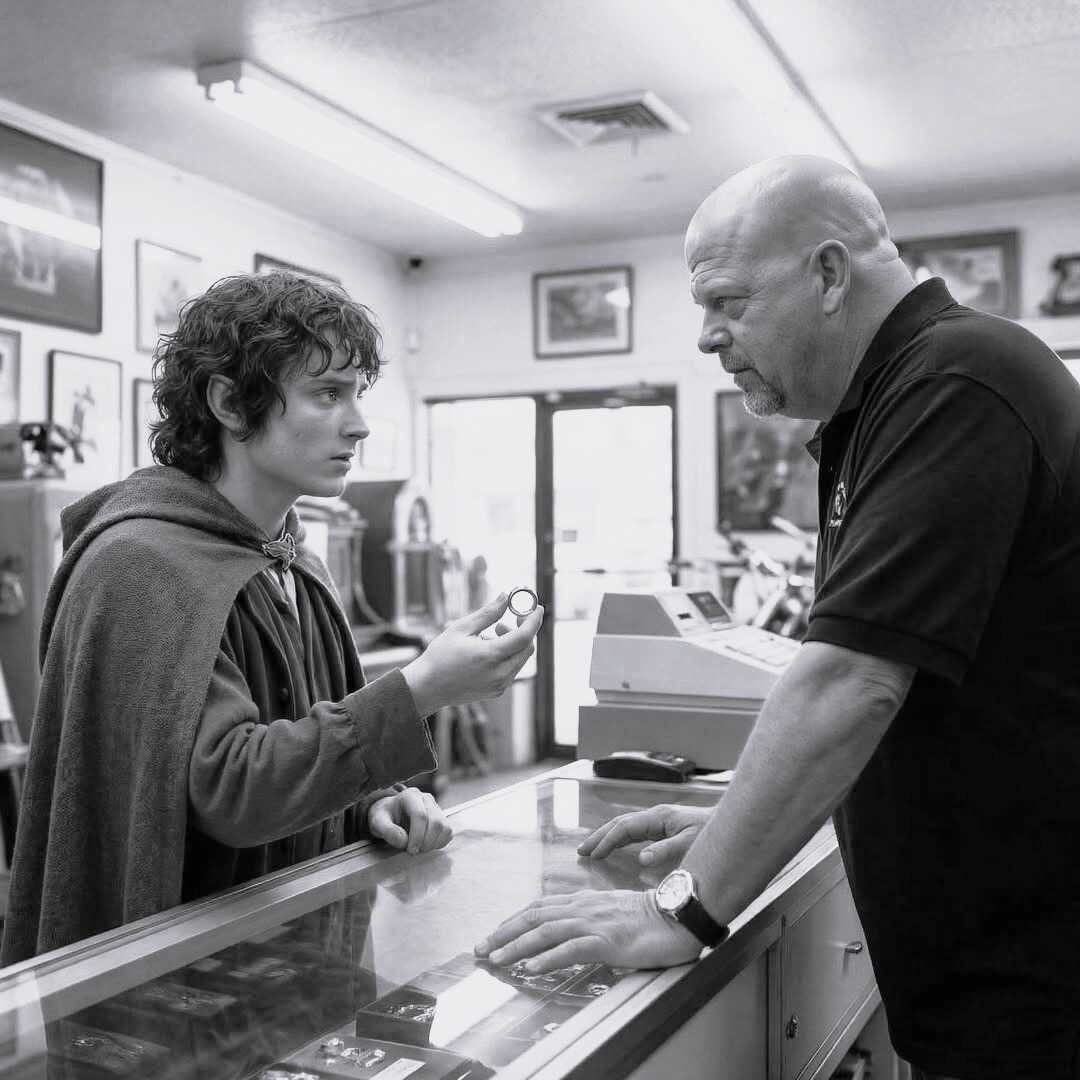
"Andrzeju coś ty u siebie odjebał?" Przyszli do mnie kolejno trzej sąsiedzi z tym pytaniem gdy widzieli mnie dłubiącego w garażu.
Składniki: wełna elewacyjna (z zaznaczeniem twarda), flizelina czarna (tania z ogrodniczego – 1,20zł za m/kw), klej w spreju tapicerski (około 20zł za puszkę), piano-klej pod pistolet by przytwierdzić wełnę.
Flizelinę kładziemy na stole, docinamy z marginesem tak by objęła wełnę elewacyjną. Zraszamy klejem tapicerskim, dociskamy wełnę, podklejamy marginesy flizeliny. Tak przygotowaną "poduszkę" doklejamy do ściany piano-klejem.
Proste, wygląda ładnie, jest tańsze niż płyta GK i stelaż, zabezpiecza wełnę przed pyleniem.
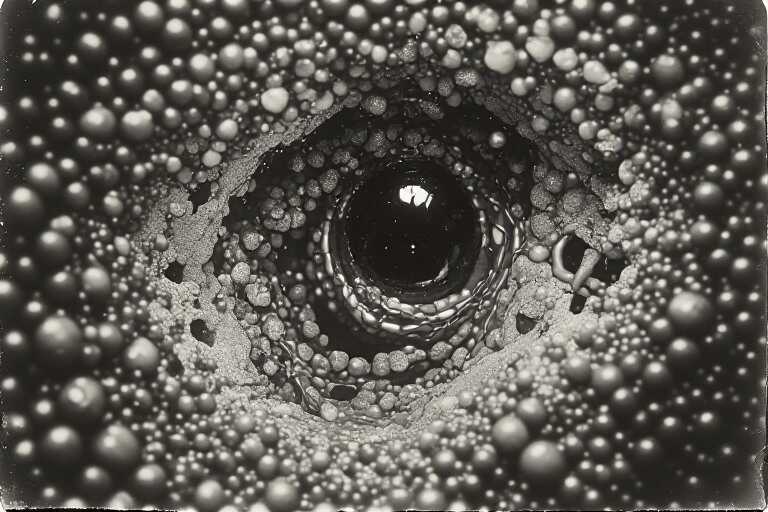
Pomysł na tyle mi się spodobał, że przeniosłem go na sufit:
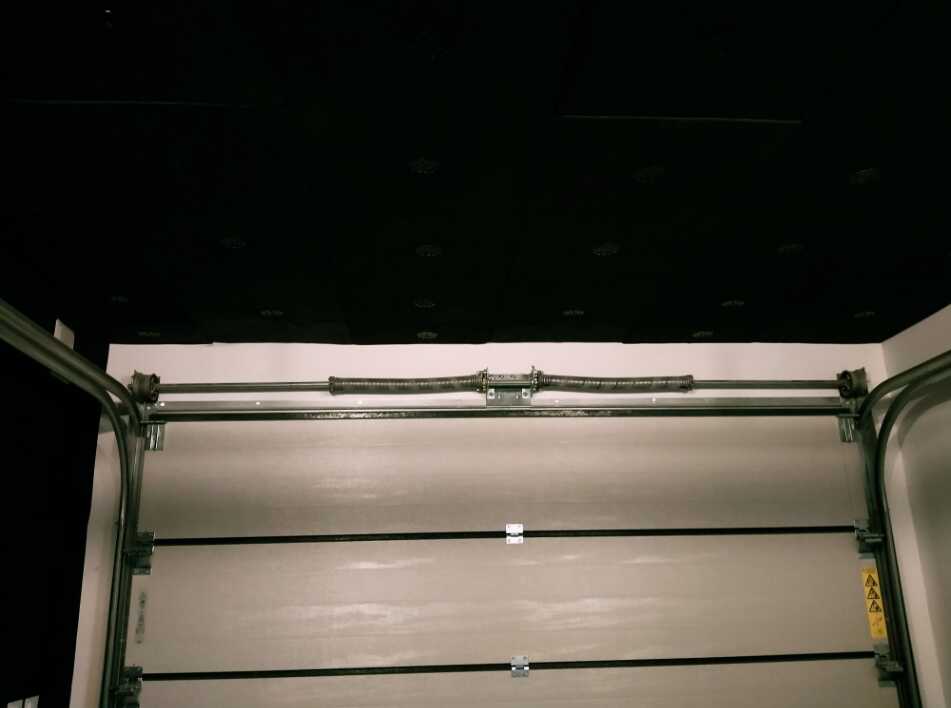
Nie przeszkadzało tu, że na suficie były kable, wełna jest na tyle sprężysta, że nie robiły na wełnie wybrzuszeń. Dodatkowo nie chciałem też bardzo obniżać sufitu, a wełna ma tylko te 5cm gr.
Normalnie na tym bym skończył, ale w pewnym momencie musiałem domowić wełny (z innego sklepu). Wełna wełnie nie równa i mimo, że elewacyjna to ta druga była mniej twarda. Aby uniknąć rozwarstwiania się, poszedłem za ciosem i zakołkowałem całą wełnę na suficie (z ścianą tego się nie boję – rozwarstwienia znaczy się).
Aby kołki nie raziły po oczach, pomalowałem je farbą w spreju (czarny mat). Ta sama farba jak się okazało była tez idealna na zabrudzenia flizeliny.
Sufit wygląda jak noc.
No prawie – to specyfika tego zdjęcia. Delikatnie przebijający klej przez flizelinę nadaje "marmurkowego" wygładu tym poduszkom. Jednemu się spodoba, drugiemu nie. Mi się podoba zajebiście.
Jestem chyba jedyna osobą w Polsce która tak wykonała garaż u siebie. Jeżeli planujecie zrobić coś podobnego, drobna podpowiedź. Flizelinę do sufitu najlepiej dociskać podnośnikiem (z ułożona na nim płytą GK aby docisk był równomierny), albo przynajmniej stosować kije teleskopowe jako podpórki. Nikt przy zdrowych zmysłach nie będzie stać na drabinie 5-10 min zanim piano-klej zwiąże.
Ap ropo kotłowni. Na zdjęciu widać to samo na ścianie. Ten sam myk, ale z styropianem (2 cm gr.).
Zapewne zastanawiacie się, po cholerę mi tam komin?
Otóż gdy budowałem chałupę, pierdolona UE jeszcze nie wymyśliła tych kurewskich przepisów "antysmogowych", zakazów piecy i innych debilizmów. Planowałem tam piec na węgiel, gdy komin powstał, okazał się zbędnym wydatkiem i UE ponosi odpowiedzialność za stratę moich pieniędzy.
Teraz obłożony poduszkami przynajmniej wygląda estetycznie i nie spełnia żadnej funkcji. No może jako wentylacja grawitacyjna.
Ps. Przechodzę do kuchni. W planach blat... z betonu. Trzymajcie kciuki bym nie spieprzył.